


WELCOME
to the blog
FEATURED POSts
Read Our Blog
Form is found when space is made functional.
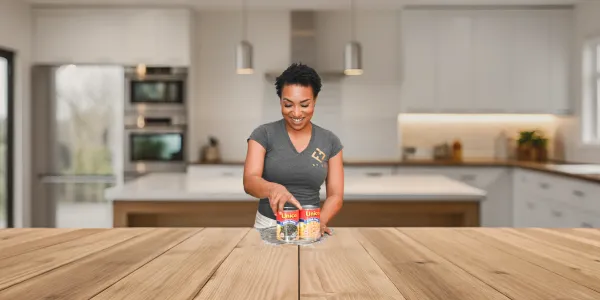
A Small Kitchen Project That Made a Big Difference
Not every organizing project needs to be a full-home overhaul to be meaningful.
This five-hour kitchen project is a perfect example of how focusing on just a couple of problem areas can completely change how a space feels — and how someone experiences their everyday life.
The Challenge: A Passion for Cooking, Hidden by Clutter
My client loves to cook, especially traditional dishes from her country of birth, Cambodia. Cooking for her isn’t just about meals — it’s about connection, heritage, and joy. Like many cuisines from that region, her cooking relies heavily on a wide variety of spices.
Over time, her spice collection had grown in different formats:
Bottled spices
Spices decanted into small spice jars
Spices still stored in their original packaging (e.g., bags)
Backup and overflow items mixed in with everyday-use spices
On top of that, she had an awkward lower corner cupboard in her kitchen. It was deep, hard to reach, and difficult to see into — the kind of space where items disappear and get forgotten.
She didn’t need her entire kitchen reorganized. She wanted these two specific cupboards to work better so she could cook with ease and confidence again.
The Plan: Thoughtful Systems, Not One-Size-Fits-All
Before touching anything, I measured both cupboards and designed three complementary systems that worked together — not just visually, but functionally.
1. Baskets for overflow and bagged spices
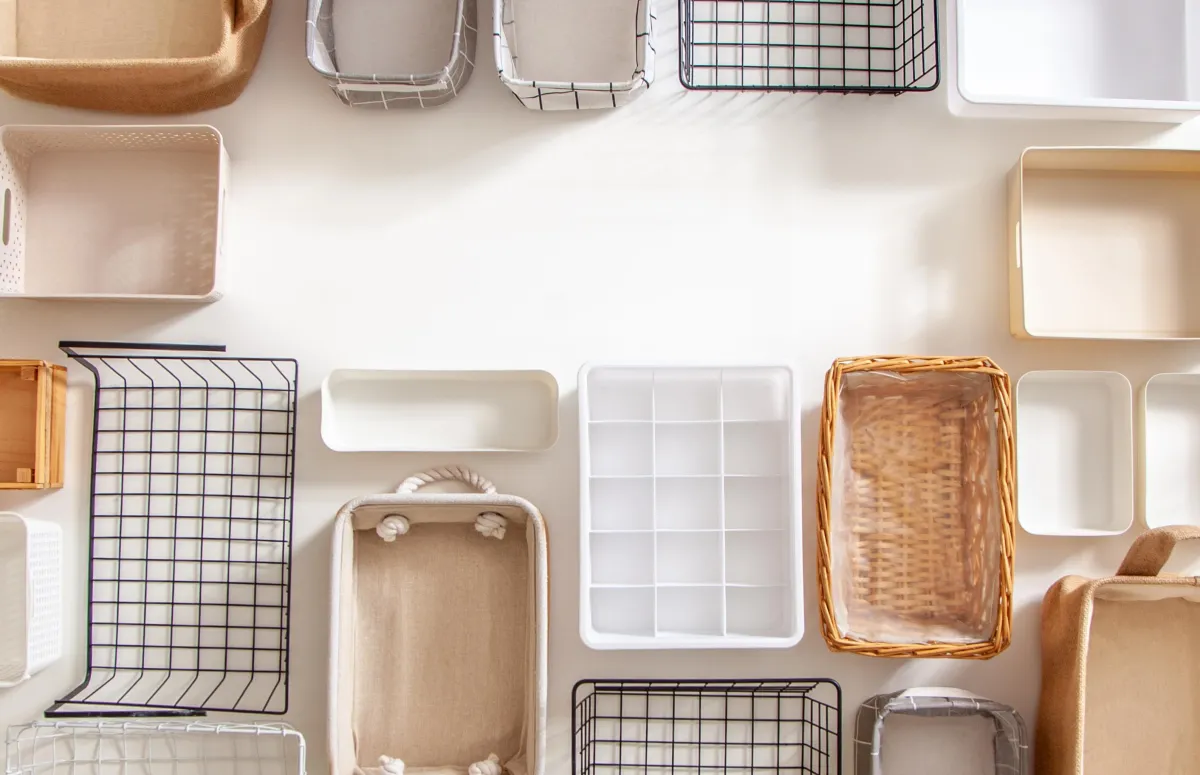
We used matching baskets to create a uniform look and to contain anything still in bags or used less frequently. These became her “backup” spices — easy to access when refilling, but no longer cluttering her main cooking area.
2. Specialty containers for high-volume dry goods
For items like flour and sugar, we introduced larger, high-quality containers sourced from a professional organizing store. These allow her to scoop directly from the container, making daily cooking faster and more intuitive.
3. Visibility-first spice storage
Inside the upper cupboard, we added stepped risers for her spice jars. This simple change meant she could see everything — even the spices at the very back — at a glance. No more forgotten bottles or duplicate purchases.
Clear bins were added to further group categories together, keeping the system clean and easy to maintain.

Solving the Awkward Corner Cupboard
The lower corner cupboard required a different approach.
On the top shelf, we used bins to group similar spice categories together.
On the bottom, we introduced multiple Lazy Susans in different sizes.
This allowed her to turn the contents toward her rather than awkwardly reaching into the corner. Even in a challenging space, everything became visible, accessible, and easy to use.


The Result: Lighter, Clearer, and Excited to Cook Again
When we finished, the change wasn’t just visual — it was emotional.
She could see everything she owned.
She knew exactly where things lived.
She felt lighter.
And most importantly, she was genuinely excited to start cooking again.
This was a small, very specific project. But its impact was anything but small.
Why Small Projects Matter
It’s easy to think that organizing only “counts” if you do a whole room or an entire house. But in reality, some of the most meaningful transformations happen when you fix the spaces you interact with every single day.
A cupboard.
A drawer.
A pantry.
A corner that never quite worked.
These are the spaces that quietly drain your energy — or give it back.
Thinking About a Project for the New Year?
Whether your project is big or small, there is real value in creating systems that support how you live.
If you’ve been putting off a specific area of your home because it feels too minor to address, consider this your sign. Those small frustrations add up — and they’re often the easiest to fix.
If you’d like to talk about tackling a project in the new year, I’d love to help.
Book your Consultation here
Reach out and let’s start with what matters most to you.
Happy New Year,
Kira

BOOK YOUR FREE CONSULTATION TODAY
Want to know more about the services provided by Kira? Fill out the form below or give me a call; I can't wait to hear from you!
Get the Checklist
GUIDE TO PURCHASING ORGANIZING PRODUCTS
Form and Function by Kira is a top professional organizer in the Ajax, ON professional organizers directory on FindMyOrganizer.com.Greater Toronto kira@formandfunctionbykira.com

©2023 by Form and Function by Kira | privacy policy | terms & conditions