


WELCOME
to the blog
FEATURED POSts
Read Our Blog
Form is found when space is made functional.
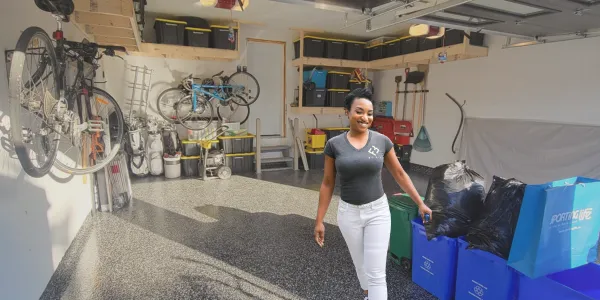
It’s Not Just a Garage: Preparing Your Outdoor Spaces for Summer Living
There’s a very specific kind of frustration that shows up this time of year.
The weather finally turns. The days stretch a little longer. You’re ready to step outside, open things up, and ease into summer—and then you go into the garage.
Or the shed.
Or that side storage area you’ve been avoiding since November.
And suddenly, something as simple as grabbing a chair cushion or a soccer ball turns into a full excavation.
So instead of enjoying the season, you’re managing it.
This is the moment most people decide to “do a quick clean.”
But what you actually need isn’t a clean-up.
You need a reset.
The Shift from Winter Storage to Summer Access
Winter is about containment.
Summer is about access.
And if your space is still set up for winter, everything feels harder than it needs to.
In the colder months, it makes sense to pack things away tightly, stack bins, and prioritize protection. But when the weather changes, your systems need to change with it.
Because now, you’re reaching for things daily:
Bikes
Sports equipment
Outdoor cushions
Gardening tools
Kids’ gear
If every one of those items requires moving three others to get to it, your space isn’t supporting your life—it’s slowing it down.
Why Most Garage and Shed Systems Break Down
Most outdoor spaces aren’t disorganized because of volume.
They’re disorganized because of structure.
Here’s what I see over and over again:
Bins without categories
Floor space being used instead of vertical space
Items grouped by “where they fit” instead of how they’re used
No clear zones for seasonal transitions
So even if the space was cleaned at some point, it doesn’t stay functional.
Because it was never designed to.
What Actually Works (And Lasts Beyond May)
When we organize garages, sheds, and outdoor storage spaces, we’re not just making them look better—we’re making them usable in real time.
Here’s what that looks like:
1. Get Everything Off the Floor
The floor should be for movement, not storage.
Wall-mounted shelving, hooks, and vertical systems instantly change how the space functions. Not only does it create visual calm, but it also makes everyday items easier to grab and put away.
2. Create Zones Based on Real Life
Not “tools in one area” and “miscellaneous in another.”
Think:
Grab-and-go (sports, kids’ items)
Outdoor living (cushions, decor, entertaining pieces)
Maintenance (tools, gardening supplies)
When zones reflect how you actually use your space, everything starts to make sense.
3. Contain What Needs Containing
Loose items are what create visual and physical clutter.
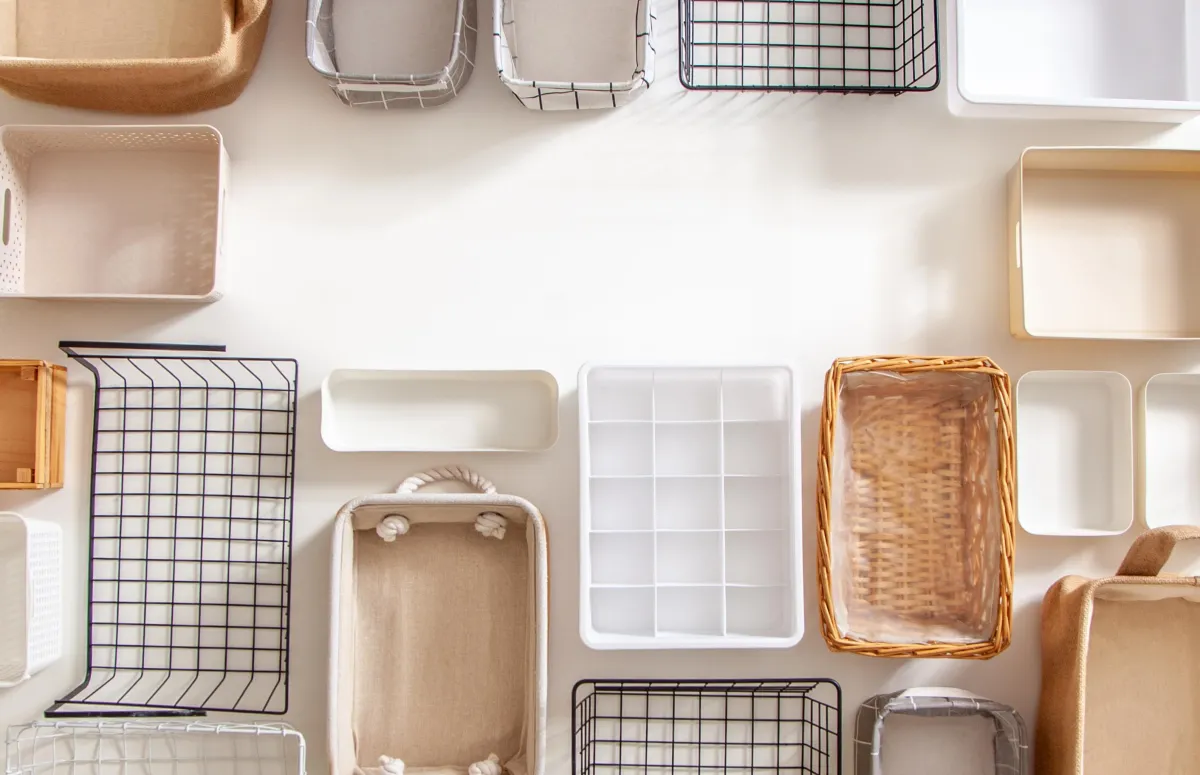
Durable, weather-appropriate bins—clearly defined and intentionally placed—make a huge difference. Especially for smaller items that tend to scatter.
4. Make the Most-Used Items the Most Accessible
This sounds obvious, but it’s rarely done.
If your kids are using something daily, it should not be stored at the back of a shelf or buried in a bin.
Ease is the goal.
The Hidden Benefit No One Talks About
An organized outdoor space doesn’t just save you time.
It changes how you experience your home.
You stop hesitating before stepping outside.
You stop putting things off because it feels like work.
You start using what you already own.
And that’s where the real value is.
Where to Start (If You’re Doing This Yourself)
If you’re looking at your garage or shed and don’t know where to begin, start here:
Take everything out (yes, everything)
Group items by use—not by type
Decide what actually belongs in this space for summer
Plan your zones before putting anything back
Only then, bring in storage solutions if you need them
Most people do step five first.
That’s why it doesn’t stick.
In Closing
This is the time of year where small changes create a completely different experience at home.
And your outdoor spaces are a big part of that.
If your garage, shed, or storage area is making things feel harder than they need to be, it’s worth rethinking how it’s set up—not just for today, but for the entire season ahead.
If you’re ready to reset your space in a way that actually lasts, you can book a consultation or explore more transformations on the blog.
Be Well,
Kira

BOOK YOUR FREE CONSULTATION TODAY
Want to know more about the services provided by Kira? Fill out the form below or give me a call; I can't wait to hear from you!
Get the Checklist
GUIDE TO PURCHASING ORGANIZING PRODUCTS
Form and Function by Kira is a top professional organizer in the Ajax, ON professional organizers directory on FindMyOrganizer.com.Greater Toronto kira@formandfunctionbykira.com

©2023 by Form and Function by Kira | privacy policy | terms & conditions